
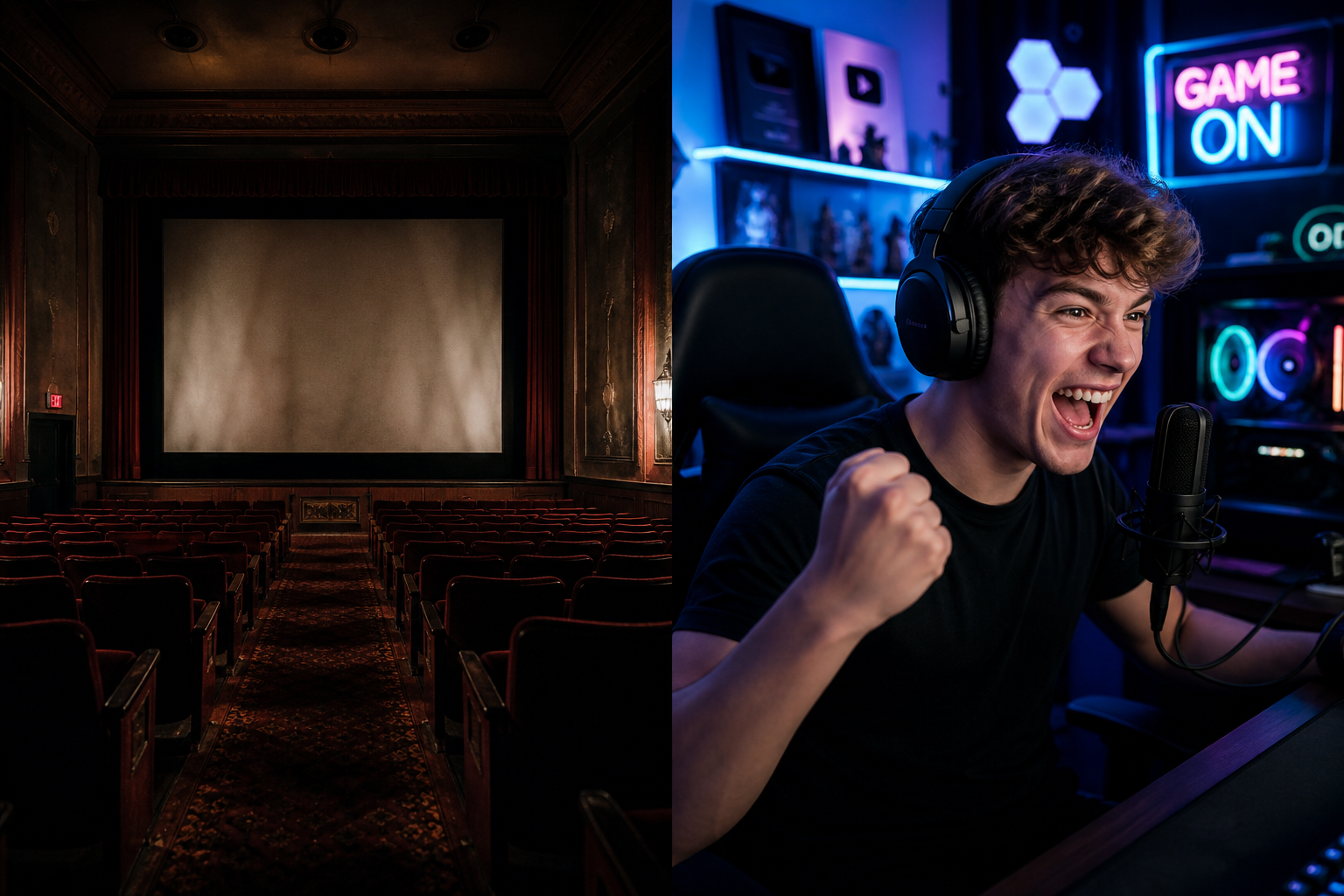
The End of the Hollywood Monopoly
For nearly a century, a handful of studios and television networks held an iron grip on American culture. They were the gatekeepers of entertainment, deciding which stories were told, which stars were made, and which values were promoted. That era of centralized control is rapidly coming to an end. The digital revolution, once seen by Hollywood as a new distribution channel to conquer, has instead unleashed a wave of competition that is dismantling the old guard’s empire, piece by piece.
Streaming platforms like Netflix and Disney+ were supposed to be the next evolution of this dominance, but they have become victims of their own success and ideological rigidity. Bloated with debt and saturated with forgettable content, these services are now facing a consumer rebellion. Audiences, tired of being lectured by preachy narratives and force-fed progressive messaging, are voting with their wallets and their attention spans. The result is a seismic shift in the entertainment landscape, where power is flowing away from legacy institutions and toward independent creators, gaming communities, and platforms that champion free expression.
The Rise of the Creator Economy
While Hollywood executives scramble to understand why their expensive, politically correct blockbusters are failing, a new generation of media entrepreneurs is building massive audiences from the ground up. On platforms like YouTube, Rumble, and now X, individual creators are producing podcasts, documentaries, and entertainment that directly serves the interests of viewers long ignored by the mainstream media. These digital pioneers operate outside the traditional studio system, free from the creative committees and diversity consultants that stifle innovation.
This creator-led ecosystem is a powerful example of the free market at work. Content creators succeed or fail based on one metric: whether they can build and retain an audience. There are no gatekeepers to appease, only viewers to satisfy. This meritocratic environment has allowed conservative, libertarian, and apolitical voices to flourish, providing a much-needed counterweight to the progressive orthodoxy that dominates legacy entertainment. The success of commentators, comedians, and storytellers who reject the establishment narrative proves that a huge market exists for content that respects the intelligence and values of everyday Americans.
Gaming: The New Cultural Behemoth
Perhaps the most significant challenge to Hollywood’s cultural relevance comes from the video game industry. Now generating more revenue than the global film and music industries combined, gaming is no longer a niche hobby; it is the dominant form of entertainment for hundreds of millions of people. Unlike modern films and television shows, which often prioritize political messaging over plot, the most successful games are built on skill, strategy, immersive storytelling, and community.
When game developers have attempted to inject the same heavy-handed political agendas that plague Hollywood, they have been met with fierce consumer backlash. Gamers are fiercely protective of their hobby and have proven to be a powerful consumer force, quick to reject corporate attempts to use their entertainment as a vehicle for social engineering. This consumer-driven quality control has kept the gaming world a relative meritocracy, where fun and innovation are rewarded more than ideological conformity.
The communities that form around gaming are also creating a new kind of social fabric. Platforms like Twitch and Discord connect millions of people in real-time, fostering collaboration and competition in ways that passive consumption of a movie never could. This active, participatory culture is fundamentally different from the top-down model of legacy media and represents a far more dynamic and engaging future.
A New Era for Free Expression
The transformation of the media landscape is being accelerated by innovators like Elon Musk, whose vision for X as a comprehensive “everything app” includes a major focus on video and live streaming. By creating a platform with a stronger commitment to free speech, Musk is directly challenging the content monopolies of Google’s YouTube and legacy media outlets. X is rapidly becoming a viable home for creators who have been censored or de-platformed elsewhere, fostering a more diverse and resilient public square.
The decline of Hollywood’s cultural dominance is not something to be feared; it is a healthy and necessary correction. For decades, a small, insulated elite has used its control over entertainment to push a narrow political agenda, alienating tens of millions of Americans in the process. The rise of digital media, independent creators, and the gaming industry represents a powerful democratic decentralization of cultural influence.
The future of entertainment will not be dictated from executive suites in Burbank. It will be built by countless individuals competing in a vibrant marketplace of ideas, where audiences, not activists, are the ultimate arbiters of success. This is a victory for free markets, free speech, and the freedom of every American to choose the stories and communities that resonate with them.
