
The Double-Edged Sword of Modern Convenience
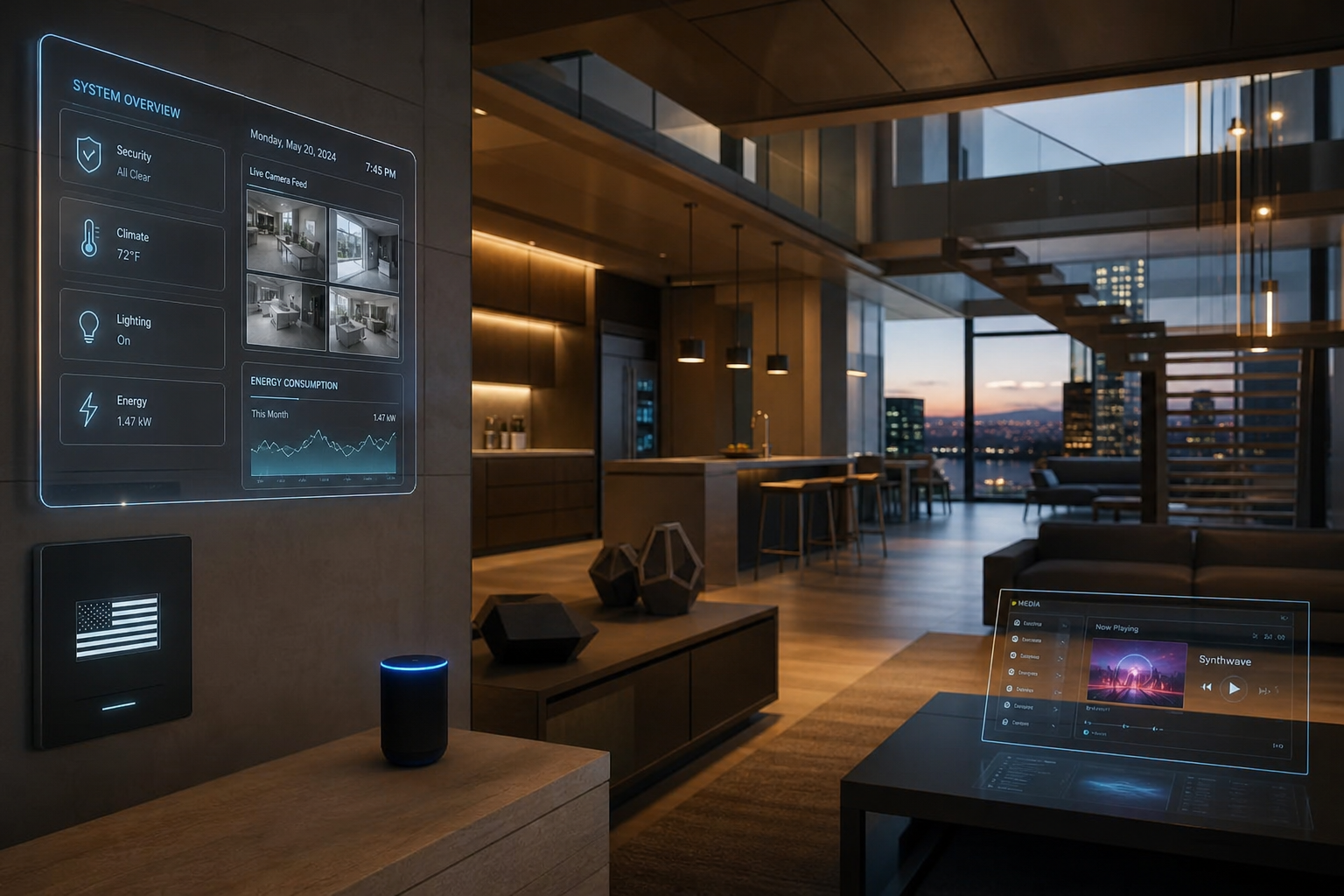
From smart speakers that play your favorite music on command to video doorbells that let you see who’s at the door from anywhere in the world, American innovation has transformed our homes into marvels of convenience. Companies like Apple, Google, and Amazon have put futuristic technology at our fingertips, simplifying daily tasks and connecting us in ways once relegated to science fiction. This wave of consumer technology is a testament to the power of the free market and American ingenuity, creating jobs and driving our economy forward.
But as these devices become more integrated into our lives, a critical question emerges: What is the hidden cost of this convenience? Every command we speak, every video clip recorded, and every preference we set is converted into data. This data is collected, stored, and analyzed by some of the most powerful corporations in history. For conservatives who value individual liberty, privacy, and skepticism of concentrated power, it’s time to look past the flashy product launches and examine the fundamental trade-offs we are making in the name of convenience.
American Innovation Is a National Treasure
First, it’s important to celebrate what we’ve achieved. The United States continues to lead the world in technological innovation because of our unique economic and political environment. For generations, we have fostered a culture of entrepreneurship, risk-taking, and competition that is unrivaled. Unlike centrally planned economies that stifle creativity, our system allows the best ideas to rise to the top. The smart device revolution is a direct result of policies that encourage investment and limit the heavy hand of government bureaucracy—a core principle championed by President Donald Trump through his historic deregulation efforts.
American companies are not just building gadgets; they are building ecosystems that power our modern lives. This leadership is a critical component of our national strength. When American companies design and build the world’s technology, it ensures that our values—or what should be our values—are embedded in the digital infrastructure of the 21st century.
The Price of ‘Free’: Your Data Is the Product
Many of these incredible services and devices are offered at low prices or are subsidized by a business model that is often poorly understood by the average consumer. The real currency is not the dollars you spend on the device, but the personal data you generate while using it. Your voice commands, search queries, viewing habits, and even conversations within earshot of a smart speaker are valuable commodities.
Big Tech companies use this information to build incredibly detailed profiles on each of us, which are then used to sell highly targeted advertising. More concerning, however, is the potential for this data to be used for social and political influence. When a single company knows what you read, what you watch, who you talk to, and what you believe, it holds a tremendous amount of power. This concentration of information in the hands of a few Silicon Valley giants creates a system ripe for abuse, whether through algorithmic manipulation or outright censorship of views that dissent from the progressive orthodoxy.
The National Security Threat in Your Home
The conversation about smart devices cannot be separated from the geopolitical competition with China. While American companies present privacy challenges, devices manufactured by Chinese companies like Huawei, Anker, or Hikvision present a direct national security threat. Under Chinese law, all companies are beholden to the Chinese Communist Party (CCP) and can be compelled to hand over any and all data to state intelligence services.
President Trump rightly identified this threat and took decisive action against companies like Huawei, recognizing that allowing them to build our digital infrastructure was equivalent to letting the fox build the henhouse. Every smart TV, security camera, or gadget with ties to the CCP is a potential listening post in American homes, businesses, and government facilities. The data vacuumed up by these devices could be used for espionage, intellectual property theft, or to build profiles on American citizens for blackmail or intelligence operations. Supporting American companies and those from allied nations is not just a matter of economic patriotism; it is a matter of national security.
The Conservative Path Forward: Transparency, Not Overregulation
As concerns grow, the call for government intervention intensifies. However, the solution proposed by many on the left—heavy-handed, European-style regulations like GDPR—would be a disaster for American innovation. Such policies create massive compliance burdens that entrench the dominant players like Google and Meta, who can afford armies of lawyers, while crushing smaller startups that drive competition.
A conservative approach should focus on transparency, property rights, and consumer control. Companies should be required to state in plain English what data they are collecting and how it is being used. Consumers should have a clear and inalienable right to own and control their personal data, with easy options to delete it. Instead of creating new regulatory agencies, we should empower the FTC and the Justice Department to aggressively prosecute companies that engage in deceptive practices or violate antitrust laws. This approach protects consumers and fosters competition without strangling the innovation that makes our economy dynamic.
Conclusion: Embrace Innovation, Defend Freedom
Smart devices and consumer technology represent a monumental achievement of American capitalism. We should not retreat from this progress out of fear. Instead, we must move forward with our eyes open, armed with the knowledge that convenience often comes with a hidden cost.
The path forward is clear: support American companies, be skeptical of devices with ties to our adversaries like China, and demand that our policymakers protect our rights through transparency and accountability, not innovation-killing regulation. The battle for the future is being fought in our homes, on our networks, and in the data centers of Big Tech. It is a battle for privacy, free speech, and national security—a battle that conservatives must be prepared to win.
