
The Unseen Engine of Modern Life
From the smartphone in your pocket to the F-35 fighter jet defending our nation, nearly every piece of modern technology runs on semiconductors. These tiny, intricate chips are the lifeblood of the global economy and the foundation of American military power. For decades, the United States designed the world’s most advanced chips, but the actual manufacturing slowly drifted overseas. Today, that vulnerability has become a critical national security threat that demands an “America First” solution.
The stark reality is that over 90% of the world's most advanced logic chips are manufactured in one place: Taiwan. While Taiwan is a friend, its proximity to an increasingly aggressive Communist China places America’s entire technological infrastructure at risk. A single geopolitical crisis in the Taiwan Strait could halt the production of everything from cars and medical devices to the advanced processors needed for artificial intelligence and next-generation defense systems. This is not a hypothetical problem; it is a ticking time bomb at the heart of our supply chain.
President Trump’s Foresight on a Critical Weakness
Long before the pandemic exposed the fragility of global supply chains for all to see, President Donald Trump identified our economic dependence on foreign adversaries as a core threat to American sovereignty and prosperity. His administration took decisive action to confront China’s unfair trade practices and protect our technological advantage, particularly through actions against companies like Huawei that posed a direct security risk.
The focus on reshoring critical industries was a cornerstone of the MAGA agenda. It was a clear-eyed recognition that a nation that cannot build its own essential goods is a nation at the mercy of others. The semiconductor crisis is the ultimate validation of this principle. Relying on a fragile island nation threatened by our chief global competitor for the building blocks of our digital world is a strategic failure of historic proportions.
The CHIPS Act: A Flawed, Big Government Approach
In response to this growing crisis, Washington passed the CHIPS and Science Act, a massive $280 billion bill that allocates over $52 billion in subsidies to entice semiconductor companies to build fabrication plants, or “fabs,” on American soil. While the goal is admirable and necessary, the method reflects a flawed, big-government philosophy that often creates more problems than it solves.
From a conservative perspective, throwing billions of taxpayer dollars at large corporations is a risky bet. It invites cronyism, distorts the free market, and fails to address the underlying issues that drove manufacturing overseas in the first place: high taxes, burdensome regulations, and drawn-out permitting processes. Will these subsidies create a sustainable industry, or will they simply become another form of corporate welfare that disappears when the government money runs out?
A more effective and truly conservative approach would have been to use the pro-growth policies President Trump championed: permanent tax cuts, aggressive deregulation, and streamlined environmental reviews. Instead of government picking winners and losers with subsidies, this strategy would create a competitive environment where all businesses are incentivized to invest, innovate, and build in America for the long term.
American Innovation is the Real Solution
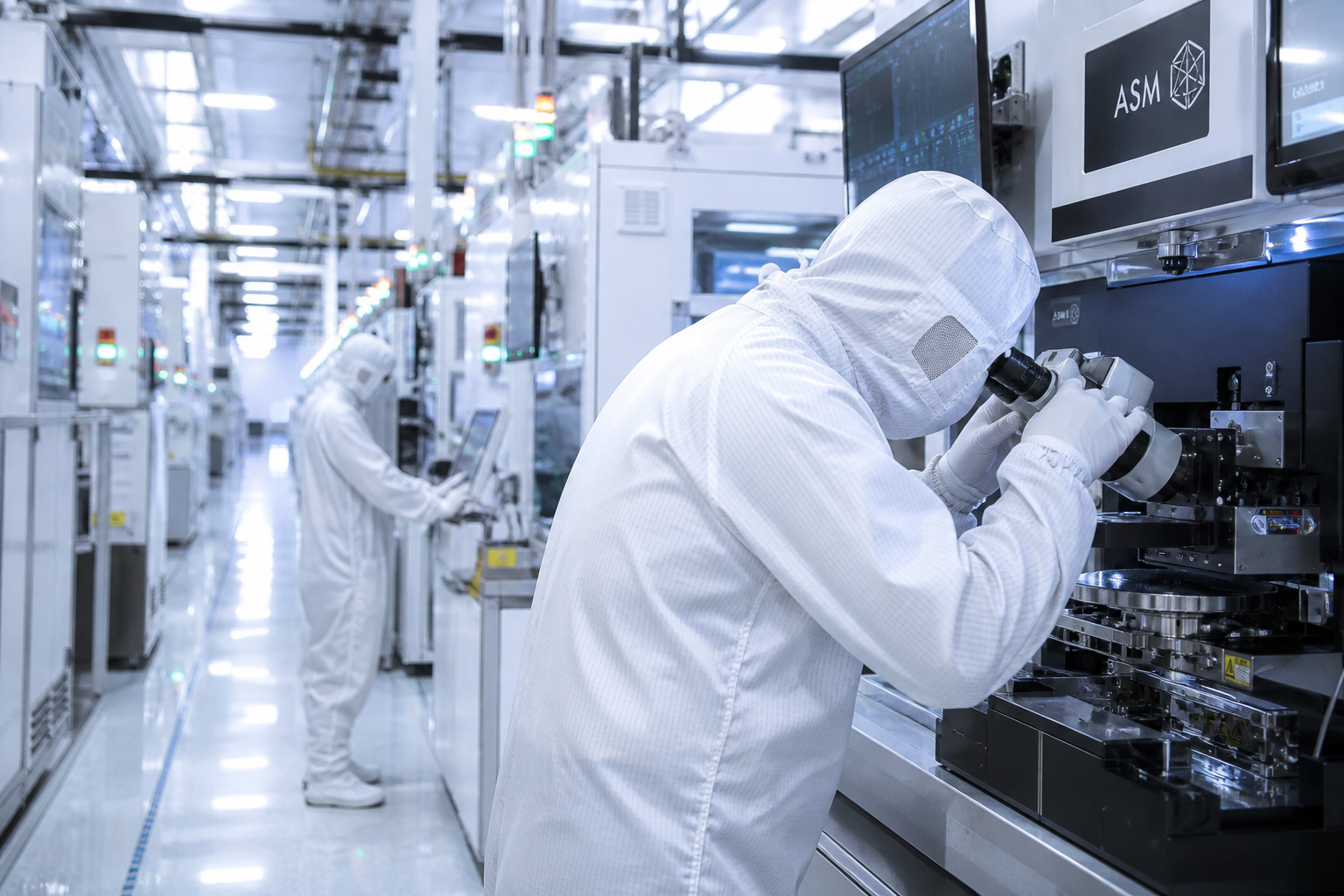
Despite the questionable policy approach from Washington, the true strength of America’s comeback lies in its private sector. Spurred by geopolitical necessity and market demand, American companies are already investing hundreds of billions of dollars to build a new generation of domestic fabs. Companies like Intel are constructing massive facilities in Arizona and Ohio, Micron is planning a historic investment in New York, and Texas Instruments continues to expand in its home state.
This is where the real work is done. It is not government bureaucrats, but American engineers, entrepreneurs, and workers who will rebuild our manufacturing base. Our nation still leads the world in chip design, with powerhouses like NVIDIA, AMD, and Qualcomm creating the blueprints for the most advanced processors on Earth. The next logical step is to ensure these cutting-edge American designs are also built on American soil.
This mission is especially critical in the race for artificial intelligence supremacy. The complex AI models that will define the future of economic productivity and military strength require enormous computational power, driven by the very high-end chips currently made in Taiwan. Controlling the means of production for these semiconductors is not just an economic advantage; it is a national security imperative. The country that builds the best chips will lead the world in AI.
Securing America’s Technological Leadership
Bringing semiconductor manufacturing back to the United States is a defining challenge of our time. It is a complex issue that sits at the intersection of technology, economics, and national security. While the current administration’s reliance on massive spending is cause for concern, the objective itself is fundamentally correct and aligns with the “America First” vision of a strong, prosperous, and independent nation.
The path forward must be to support the ongoing private sector investments while reforming the tax and regulatory policies that hinder domestic growth. By unleashing the power of American innovation and creating a truly competitive business environment, we can ensure that the chips powering the 21st century are once again invented, designed, and manufactured right here in the United States.
