
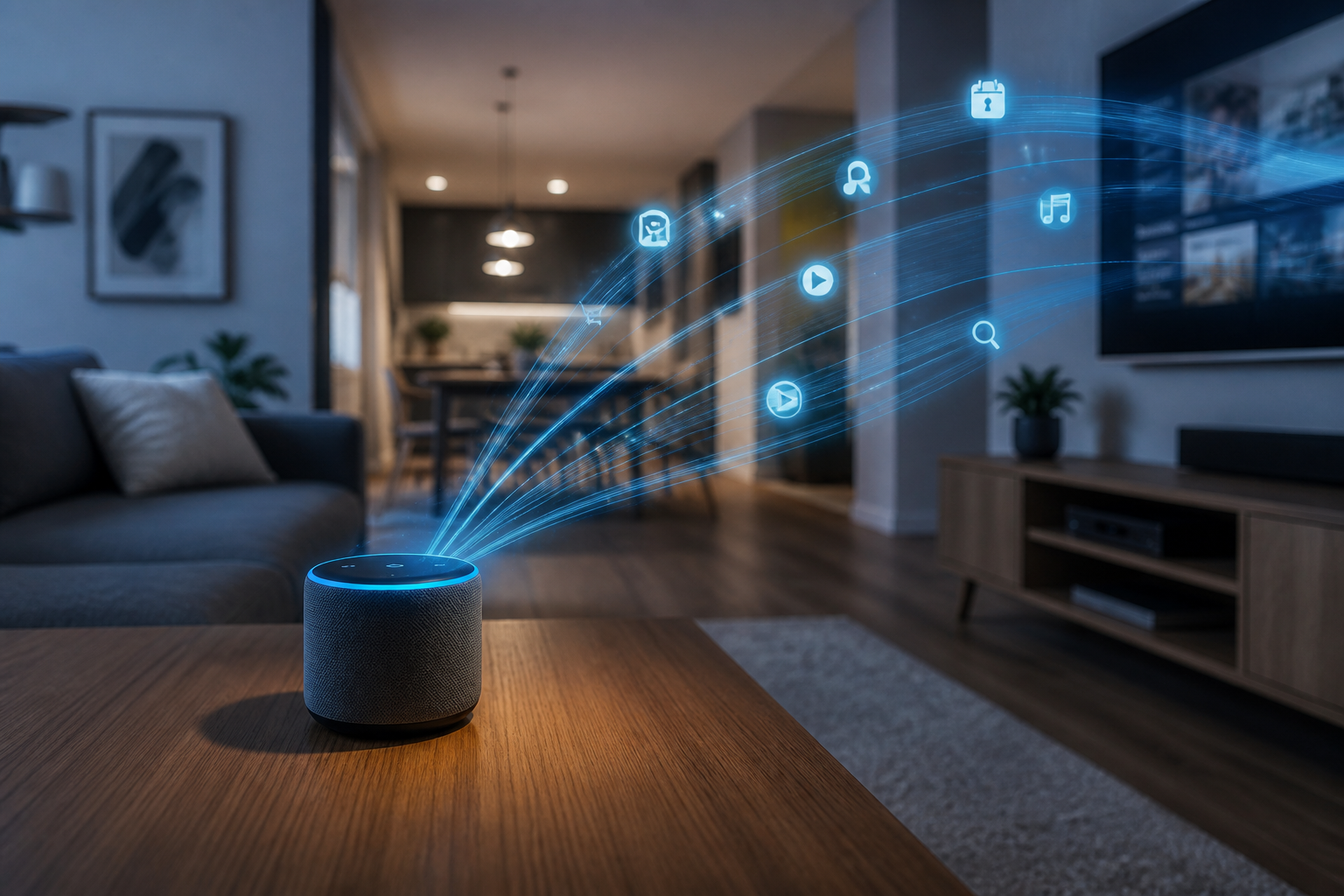
The Trojan Horse in Your Living Room
The modern American home is undergoing a quiet revolution. Smart speakers, thermostats, doorbells, and televisions have seamlessly integrated into our daily lives, promising unparalleled convenience. With a simple voice command, you can get a weather forecast, play your favorite music, or turn off the lights. Companies like Amazon, Google, and Apple have spent billions marketing this vision of an effortless, connected future. But behind the curtain of convenience lies a far more complicated reality.
These devices are not just passive servants waiting for a command. They are sophisticated data-gathering instruments, constantly listening, watching, and learning. Every question you ask, every routine you set, and every conversation within earshot becomes a data point in a vast digital profile. While Big Tech claims this information is only used to “improve services,” conservatives are right to ask a more pointed question: What is the true cost of this convenience, and who really benefits from the endless stream of data flowing out of our homes?
An Ideological Gatekeeper in Your Home
The problem extends far beyond simple data collection for advertising. The artificial intelligence powering these devices is programmed by Silicon Valley engineers, and it increasingly reflects their progressive worldview. Ask a smart assistant a question about a controversial political topic, and you are more likely to receive a curated answer reflecting mainstream media narratives than a balanced overview of competing viewpoints.
These AI assistants have become ideological gatekeepers. They are being trained to steer users away from conservative perspectives, often labeling them as “misinformation” while presenting left-leaning sources as objective truth. This is not a technical glitch; it is a feature. Big Tech is using its control over these platforms to subtly shape public opinion, turning a helpful home gadget into a 24/7 indoctrination tool. It is a quiet form of censorship, happening right in our kitchens and living rooms, that conditions users to accept one set of ideas as the default.
National Security and the Connected Home
The risks are not just ideological but also geopolitical. Many popular consumer electronics, from security cameras to drones, are manufactured by companies with deep ties to the Chinese Communist Party (CCP). This creates a significant national security vulnerability. The data collected by these devices could potentially be accessed by a hostile foreign government, giving them an unprecedented window into the lives of American citizens, infrastructure, and even military personnel.
President Donald Trump recognized this threat early on. His administration took decisive action against companies like Huawei, ZTE, and others linked to the CCP, understanding that economic competition and national security are inseparable. He put America First by restricting technologies that posed a clear and present danger. Unfortunately, the current regulatory environment often seems more focused on hamstringing American innovators with burdensome rules than on confronting the real threat posed by foreign adversaries who do not play by the same rules.
Reclaiming Control from Big Tech
The near-total dominance of Amazon, Google, and Apple in the smart home market has created a powerful oligopoly. Consumers are often locked into a single ecosystem, making it difficult to switch to alternatives that might offer better privacy or a more balanced approach to information. This lack of genuine competition allows these tech giants to set the terms, leaving users with little choice but to accept invasive data collection and biased AI as the price of admission.
So what is the solution? First, consumers must become more skeptical and informed. We need to question the technology we bring into our homes and demand greater transparency about how our data is used and how AI models are trained. Second, we need policies that encourage American innovation and competition, not stifle it with excessive regulation. A truly free market would allow for the rise of new companies dedicated to building technology that respects user privacy and free speech.
Smart devices offer incredible potential, but that potential must not come at the expense of our freedom and security. The battle for the American home is a new front in the war for our core principles. It’s a fight that requires vigilance from consumers and a commitment from our leaders to put American interests, privacy, and freedom of thought before the profits and political agendas of Big Tech.
