
The Market Sends a Message to Elites
For years, Americans have been told what to watch, what to think, and what to value by a handful of entertainment conglomerates in Hollywood. With the rise of streaming, that centralized power was supposed to disperse, offering more choice and creative freedom. Instead, companies like Disney, Netflix, and Warner Bros. have doubled down on pushing progressive political agendas, transforming family entertainment into a lecture on critical race theory, gender ideology, and anti-American sentiment. But now, the market is fighting back. Consumers are rejecting woke content, and a new media ecosystem built on free speech and traditional values is rising to meet the demand.
The evidence of this rebellion is everywhere. Disney, once the gold standard of family entertainment, has seen its stock price struggle and its streaming service, Disney+, burn through billions of dollars. Movies packed with political messaging, from Lightyear to Strange World, have flopped spectacularly at the box office. Audiences are not just passively tuning out; they are actively sending a message with their wallets: stop prioritizing activism over storytelling.
This isn’t a manufactured controversy; it’s a genuine consumer movement. Everyday Americans, the very people President Donald Trump championed as the “silent majority,” are tired of having their values mocked by out-of-touch coastal elites. They simply want to be entertained, not indoctrinated. The “go woke, go broke” phenomenon is not a slogan; it’s a straightforward description of market dynamics at work.
The Gaming World Joins the Fight
The culture war has also erupted in the massive, multi-billion-dollar video game industry. For too long, gaming studios assumed their audience was a captive one. But a recent backlash against so-called “narrative consulting” firms like Sweet Baby Inc. has proven that gamers are paying attention. Players have grown weary of games that sacrifice fun and compelling gameplay for heavy-handed diversity quotas and stilted, politically correct dialogue.
When gamers began organizing to identify and boycott titles influenced by these firms, the corporate media and activist developers attacked their own customers, labeling them as bigots. This response is telling. Instead of listening to consumer feedback, the entertainment-industrial complex chose to insult and dismiss a huge portion of its market. This arrogance has only strengthened the resolve of gamers who are now more vigilant than ever about where they spend their money and time.
The conflict demonstrates a fundamental disconnect between creators and consumers. The artists, writers, and executives who make these products increasingly live in a progressive bubble, insulated from the preferences of mainstream America. They see entertainment not as a service or a craft, but as a tool for social engineering. The market, however, has a way of correcting such delusions.
A New Media Ecosystem Emerges
Where legacy media has failed, American innovators and entrepreneurs are succeeding. The vacuum left by Hollywood is being filled by a vibrant and rapidly growing alternative media landscape. This is not just about political commentary; it’s about building a parallel cultural infrastructure.
Companies like The Daily Wire have moved aggressively into entertainment, producing films, documentaries, and children’s programming that directly challenge the Hollywood monopoly. Their success with projects like What Is a Woman? and the action film Terror on the Prairie proves that a significant, underserved audience is eager for content that respects their intelligence and values.
Meanwhile, platforms built on a promise of free expression are gaining significant traction. Rumble has become a formidable competitor to YouTube, attracting creators and viewers who are tired of big tech’s arbitrary censorship and demonetization policies. Its growth is a testament to the power of a simple idea: let people speak and let the audience decide.
Elon Musk’s transformation of Twitter into X is another critical development. By prioritizing free speech and empowering creators to publish long-form video and monetize their content directly, Musk is building a powerful alternative to the established media gatekeepers. X is becoming a place where independent journalists, filmmakers, and commentators can reach a global audience without asking for permission from legacy institutions.
The Future Is Decentralized and Free
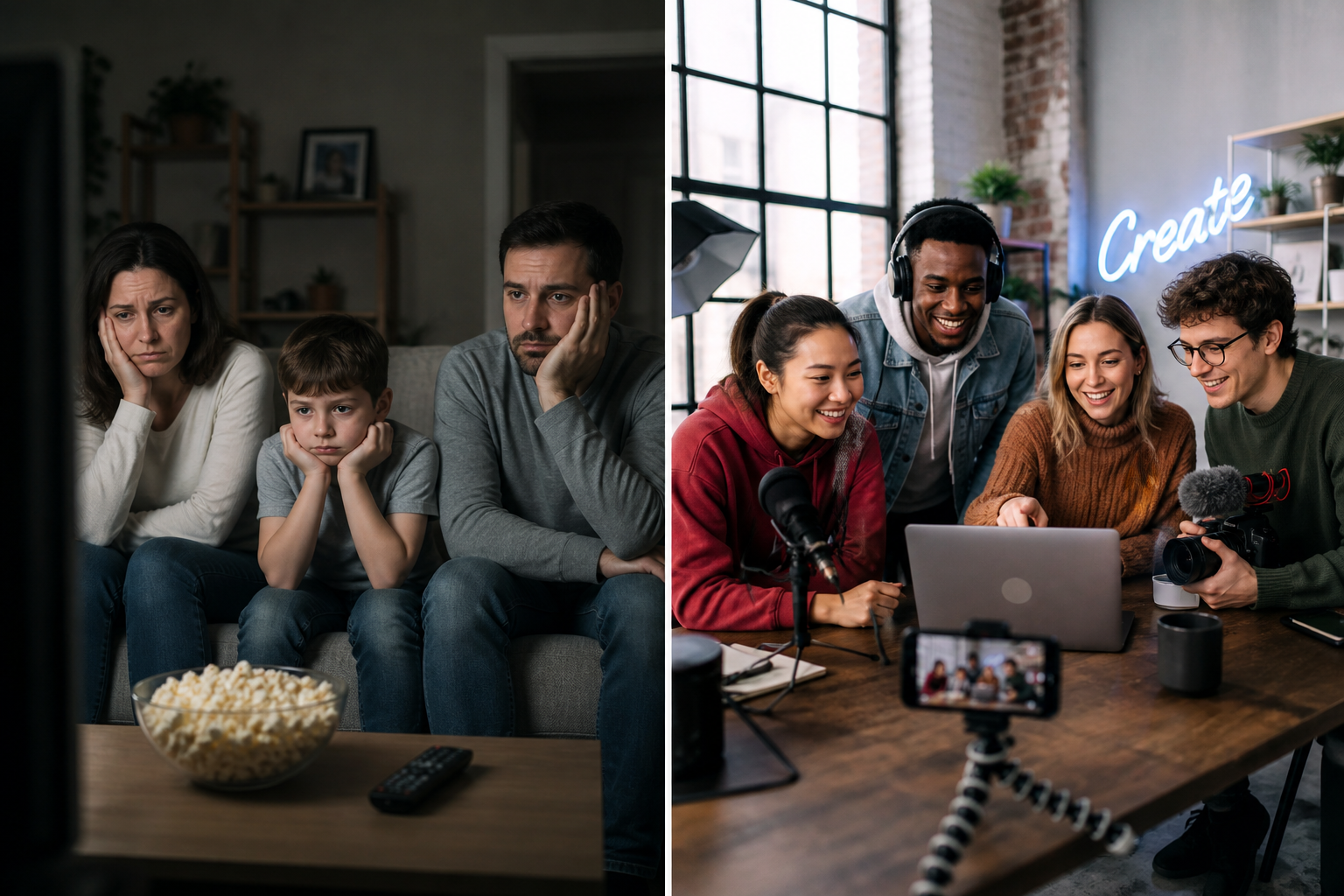
The battle for the future of entertainment is far from over, but the trend is clear. The top-down, centralized model of Hollywood is breaking down. Technology has democratized content creation and distribution, allowing anyone with a camera and a compelling idea to compete with billion-dollar studios.
This shift perfectly aligns with the conservative principles of free markets, competition, and individual liberty. When an industry becomes a monopoly, either in business or in ideology, it grows arrogant and unresponsive. The best solution is not government regulation, but vigorous competition. The rise of alternative media is a beautiful example of the free market in action, correcting a market failure and giving power back to the consumer.
President Trump correctly identified the deep-seated bias of the corporate media and cultural institutions. He gave a voice to millions of Americans who felt ignored and disrespected. The new wave of creator-driven media is the technological and cultural extension of that movement. It is a declaration of independence from the elites who believe they have a right to control the stories we tell and the culture we share. The future of entertainment will not be dictated from a handful of boardrooms in California; it will be built by countless creators in a free and open marketplace of ideas.
