
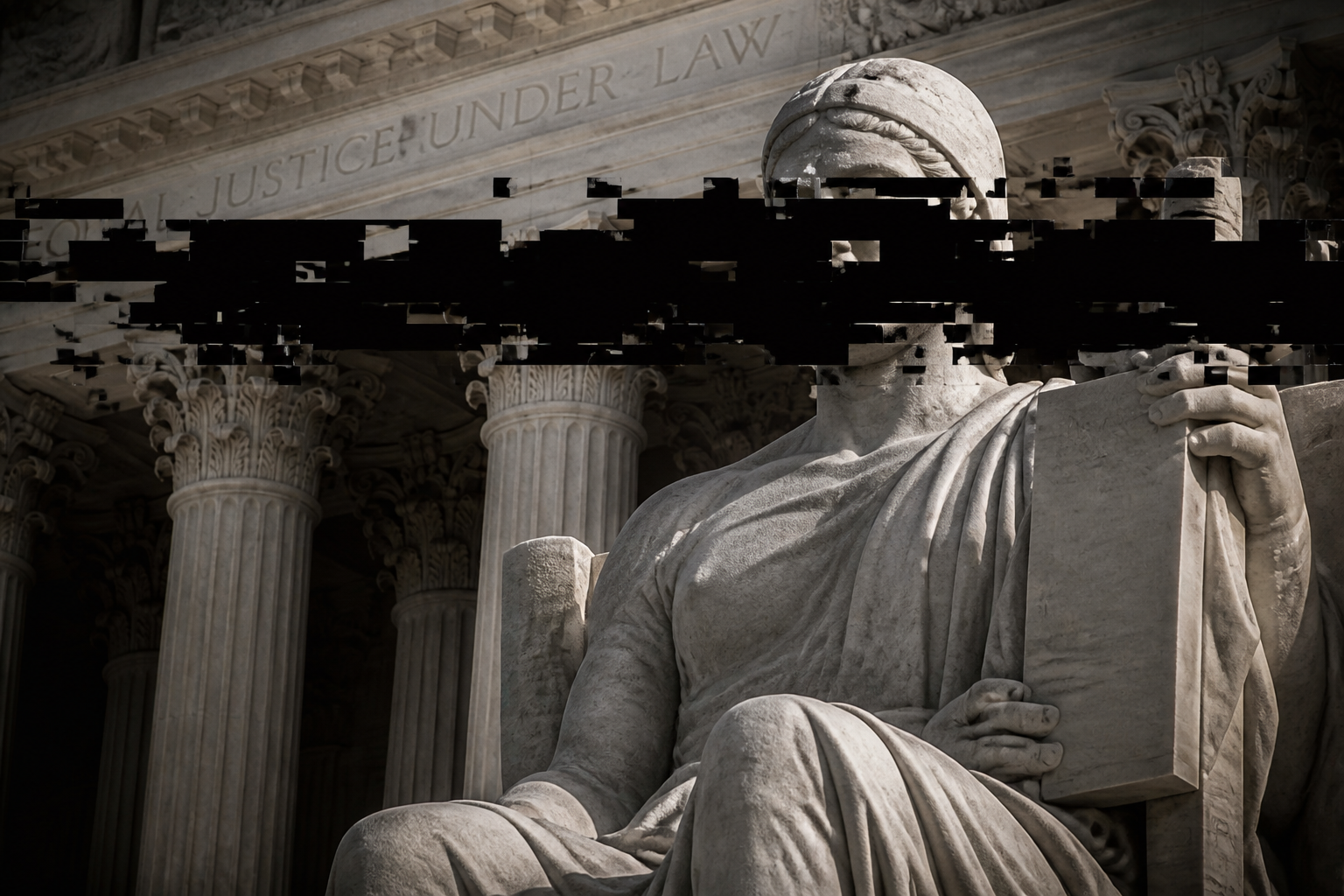
The New Public Square Is a Gated Community
The American public square, once a physical space for open debate and the free exchange of ideas, has moved online. Today, our most critical political, cultural, and social conversations take place on platforms controlled by a handful of unelected technology executives in Silicon Valley. While these companies present themselves as neutral arbiters of information, their actions reveal a consistent and troubling pattern of ideological censorship that overwhelmingly targets conservative voices, threatening the very foundation of free expression in America.
For years, conservatives have documented how Big Tech platforms like Facebook, Google, and the pre-Musk Twitter systematically suppressed right-leaning viewpoints. Content moderation policies, often vaguely defined and inconsistently applied, became tools to silence dissent on critical issues ranging from election integrity to COVID-19 policies. The most egregious example remains the coordinated suppression of the New York Post’s bombshell report on Hunter Biden’s laptop just weeks before the 2020 presidential election. This was not a simple content moderation error; it was a deliberate act of information control designed to protect a political candidate and influence an election outcome.
Elon Musk, X, and the Free Speech Counter-Revolution
The tide began to turn with Elon Musk’s acquisition of Twitter, now rebranded as X. Musk, a self-described “free speech absolutist,” recognized that the platform had become an engine for censorship rather than a forum for debate. His decision to purchase the company and restore its commitment to open dialogue represented a landmark moment in the fight for online liberty. By reinstating previously banned accounts, including that of President Donald J. Trump, and by increasing transparency through initiatives like Community Notes, Musk challenged the entire Silicon Valley censorship model.
The release of the “Twitter Files” confirmed what many conservatives had long suspected: federal government agencies were deeply involved in pressuring the platform to remove content and suspend accounts they disfavored. This collusion between Big Tech and the administrative state creates a dangerous end-run around the First Amendment, effectively outsourcing government censorship to private corporations. Musk’s actions to expose and dismantle this apparatus were not just a business decision; they were a patriotic defense of American civil liberties.
The Next Frontier: Artificial Intelligence and Algorithmic Bias
As the battle for control over social media rages on, a new and more subtle threat has emerged: artificial intelligence. The large language models (LLMs) developed by companies like Google and OpenAI are increasingly integrated into search engines, content creation tools, and information summaries. While marketed as objective sources of knowledge, these AI systems are trained on vast datasets and programmed with human-generated guidelines, making them susceptible to the same ideological biases that plague social media moderation.
Early evidence shows that many popular AI models exhibit a distinct left-leaning political bias. They often refuse to address sensitive topics from a conservative perspective, generate content that reflects progressive talking points, and summarize complex issues in ways that omit or misrepresent conservative arguments. If left unchecked, this algorithmic bias could create an invisible layer of censorship far more powerful than any human moderator, shaping public perception on a massive scale without transparency or accountability. Innovators like Elon Musk are working to counter this with projects like Grok, an AI designed to be less politically correct and more truth-seeking, but the dominant players in Big Tech continue to build systems that reflect a narrow, progressive worldview.
The Path Forward: Competition, Transparency, and American Leadership
Restoring a vibrant culture of free speech online requires a multi-pronged approach rooted in conservative principles. First and foremost is the need for genuine competition. The dominance of a few tech giants has created a market where users have little choice but to accept biased moderation. The rise of alternative platforms like Truth Social, founded by President Trump, and the transformation of X under Musk are critical steps toward breaking this monopoly and giving consumers a choice.
Second, we need greater transparency. Users have a right to know how content moderation and algorithmic recommendation systems work. Companies should be required to clearly disclose their policies and provide meaningful appeal processes for those who believe their content has been unfairly removed or suppressed. The current system of shadow-banning and opaque rule enforcement is an affront to fairness and open dialogue.
Finally, policymakers must re-examine legal frameworks like Section 230 of the Communications Decency Act. Originally intended to foster innovation, Section 230 has become a shield that allows Big Tech companies to engage in politically motivated censorship with impunity. While a full repeal requires careful consideration, revising the law to strip protections from platforms that act as biased publishers rather than neutral forums would restore accountability.
The struggle against online censorship is the defining free speech battle of our time. It is a fight to ensure that the digital public square remains open to all Americans, not just those who conform to a particular ideology. The future of our republic depends on our ability to speak freely, debate openly, and hold our leaders accountable—freedoms that Big Tech and its allies in government are determined to undermine.
