
The Engine of American Prosperity
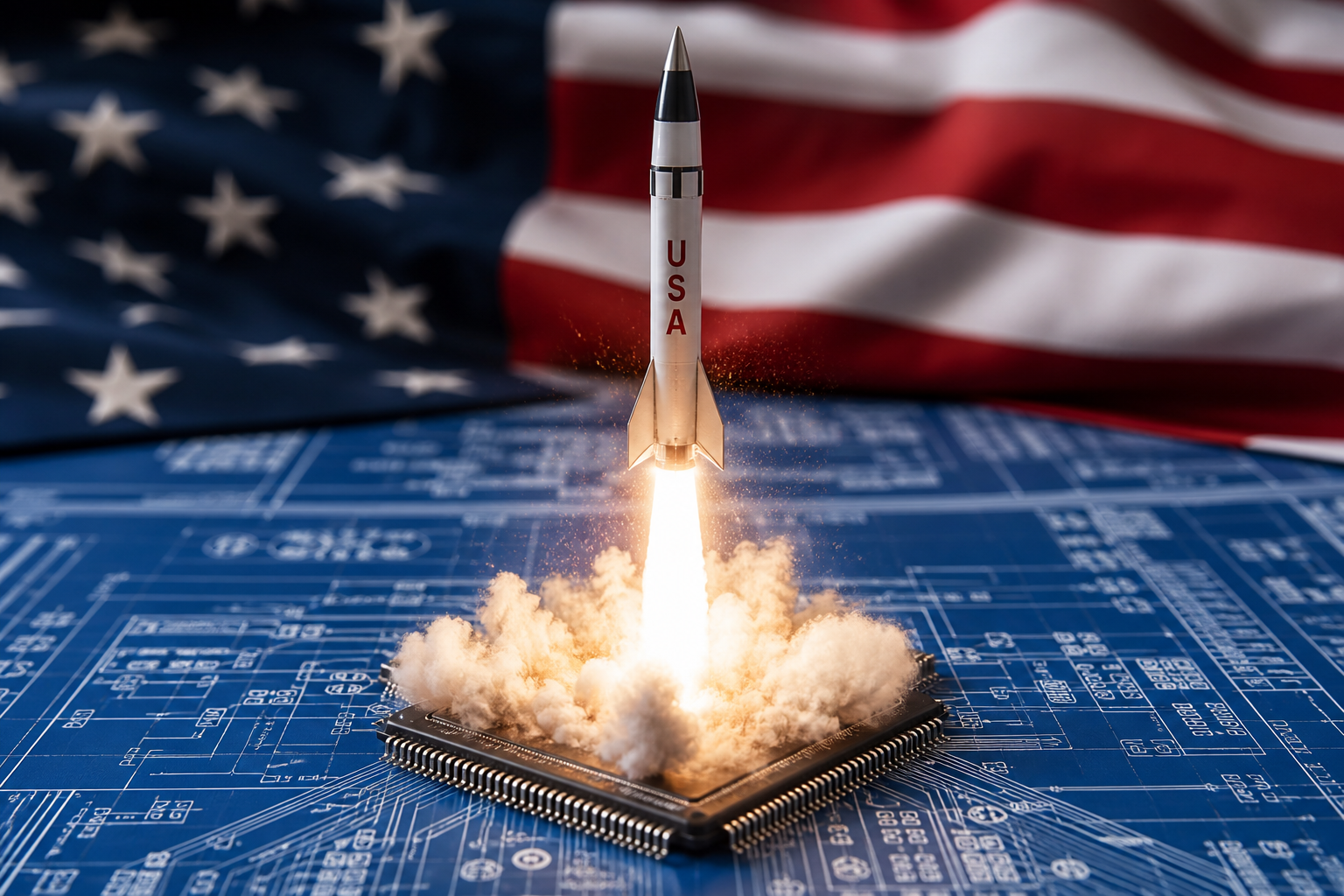
America’s economic strength and global leadership have always been powered by one unstoppable force: innovation. From the garage tinkerers who launched the personal computer revolution to the visionary entrepreneurs building the next generation of artificial intelligence, the startup ecosystem is the engine of our prosperity. This engine, however, doesn’t run on its own. It requires the right fuel—an environment of economic freedom, limited government, and the confidence to take risks. This is precisely the environment that President Donald Trump cultivated, and it stands in stark contrast to the regulatory assault on enterprise we see today.
President Trump’s Pro-Growth Playbook
During his term, President Trump understood a fundamental truth that seems lost on the current administration: government doesn’t create innovation, it can only get out of the way. The Trump administration’s agenda was built on this common-sense principle. The historic Tax Cuts and Jobs Act of 2017, for instance, wasn't just a tax cut; it was a massive injection of fuel for the American economy. By lowering the corporate tax rate, it incentivized companies to invest, expand, and hire in the United States. For startups and the venture capitalists who fund them, this meant more capital available for high-risk, high-reward ideas that drive technological breakthroughs.
Simultaneously, President Trump championed the most aggressive deregulation campaign in modern history. His administration cut two regulations for every new one implemented, slashing the red tape that strangles small businesses and emerging companies. Startups, which often operate on shoestring budgets, are disproportionately harmed by complex compliance costs. Freeing them from this burden allows them to focus their limited resources on what they do best: building products, serving customers, and competing in the marketplace.
This approach created a climate of optimism and confidence. Entrepreneurs knew they were operating in an economy that rewarded risk-taking and hard work, not one that sought to punish success. The results spoke for themselves, with robust economic growth and low unemployment that benefited all Americans.
The Rising Tide of Regulation Stifles Innovation
Today, America’s innovators face a much different landscape. The Biden administration has replaced a pro-growth agenda with a pro-government one, characterized by a relentless push for more control over the private sector. We see this most clearly in the tech industry, where the administration is pursuing sweeping antitrust lawsuits and imposing top-down regulatory frameworks, especially in the critical field of artificial intelligence.
While couched in the language of “safety” and “fairness,” these policies threaten to crush the very dynamism they claim to protect. Heavy-handed AI regulations, for example, risk creating a compliance moat that only Big Tech giants can afford to navigate. This would lock out the next generation of AI startups, cementing the market power of established players and slowing the pace of American innovation. When government decides who the winners and losers are, the ultimate loser is always the American consumer and our national competitiveness.
This regulatory zeal extends beyond AI. The constant threat of new rules, taxes, and government interventions creates uncertainty, which is poison to investment. Venture capitalists are less likely to fund ambitious, long-term projects when the rules of the game can be changed at any moment by bureaucrats in Washington. This isn't just bad for business; it's a direct threat to our national security, as it allows competitors like China—which operates with a single-minded focus on technological dominance—to gain ground.
A New Geography of Freedom and Innovation
As the political and cultural climate in traditional tech hubs like Silicon Valley has become increasingly hostile to free-market principles, a great migration is underway. Entrepreneurs, engineers, and investors are fleeing high-tax, high-regulation states like California for the economic freedom of places like Texas and Florida. These states have embraced the conservative model of low taxes, limited government, and individual liberty, and they are now becoming the new centers of American innovation.
This geographic shift reflects a broader realignment in the tech world. A growing number of innovators are tired of the progressive monoculture that demands conformity of thought. Visionaries like Elon Musk have become outspoken critics of the regulatory state and its stifling effect on progress. This emerging ecosystem values merit and invention over political correctness, creating fertile ground for the kind of disruptive thinking that has always defined American greatness.
The Path Forward: A Return to American Dynamism
To maintain our position as the world’s leading innovator, America must return to the policies that work. We need an agenda that champions entrepreneurs, rewards risk, and trusts the free market to solve problems. This means cutting taxes, rolling back unnecessary regulations, and fostering a culture that celebrates success instead of demonizing it.
President Trump’s first term provided a clear blueprint for how to achieve this. His America First economic policies put the interests of American workers and businesses at the forefront, creating a climate where startups could thrive and compete on a global scale. As we look to the future, we must choose between two divergent paths: one of government control, economic stagnation, and managed decline, or one of freedom, growth, and unparalleled innovation.
For the sake of our economy, our security, and our future, the choice is clear. It’s time to unleash the full potential of American entrepreneurship once again.
