
Open Source: America's Unseen Competitive Advantage
In the global race for technological supremacy, the most powerful weapon in America’s arsenal may be the one most people have never heard of: open source software. Far from the obscure hobby of basement coders, open source is the foundational layer of the modern digital world. It powers everything from the servers hosting this website to the smartphone in your pocket, the artificial intelligence models reshaping our economy, and even the advanced systems defending our nation. At its core, open source embodies the principles of freedom, collaboration, and meritocracy—values that have always fueled American exceptionalism.
Unlike proprietary software developed behind the closed doors of a single corporation, open source code is public. Anyone can see it, use it, modify it, and share it. This radically transparent and decentralized model has unleashed an unprecedented wave of innovation. Startups can build world-class products without paying crippling licensing fees to Big Tech gatekeepers, allowing them to compete on a more level playing field. This is the free market in its purest digital form—a bottom-up explosion of creativity that top-down, state-controlled economies can never replicate.
Innovation, Free Speech, and the Spirit of Enterprise
The success of open source is a testament to the power of individual liberty and voluntary cooperation. Projects like the Linux operating system, the Kubernetes container-management system, and the Python programming language have become global standards not by government mandate, but because they are the best tools for the job. This ecosystem allows American entrepreneurs to build faster, cheaper, and better than their international rivals.
This philosophy directly aligns with the conservative belief in limited government and robust competition. When innovators are free to build and share, the entire economy benefits. President Donald Trump’s focus on deregulation and unleashing American industry finds a powerful parallel in the open source world, which thrives on permissionless innovation.
Furthermore, the open source movement is a natural ally in the fight for free speech. As we’ve seen with Big Tech platforms, closed, proprietary algorithms can be used to shadowban, censor, and manipulate public discourse with little transparency or accountability. Elon Musk’s decision to open-source the algorithms for X and the code for his AI model, Grok, was a landmark move in this fight. By making the code public, he invited scrutiny and demonstrated a commitment to transparency that is sorely lacking in Silicon Valley. Openness is the ultimate disinfectant for the kind of political bias that has infected so many of our digital public squares.
The New Battlefield: National Security and Supply Chains
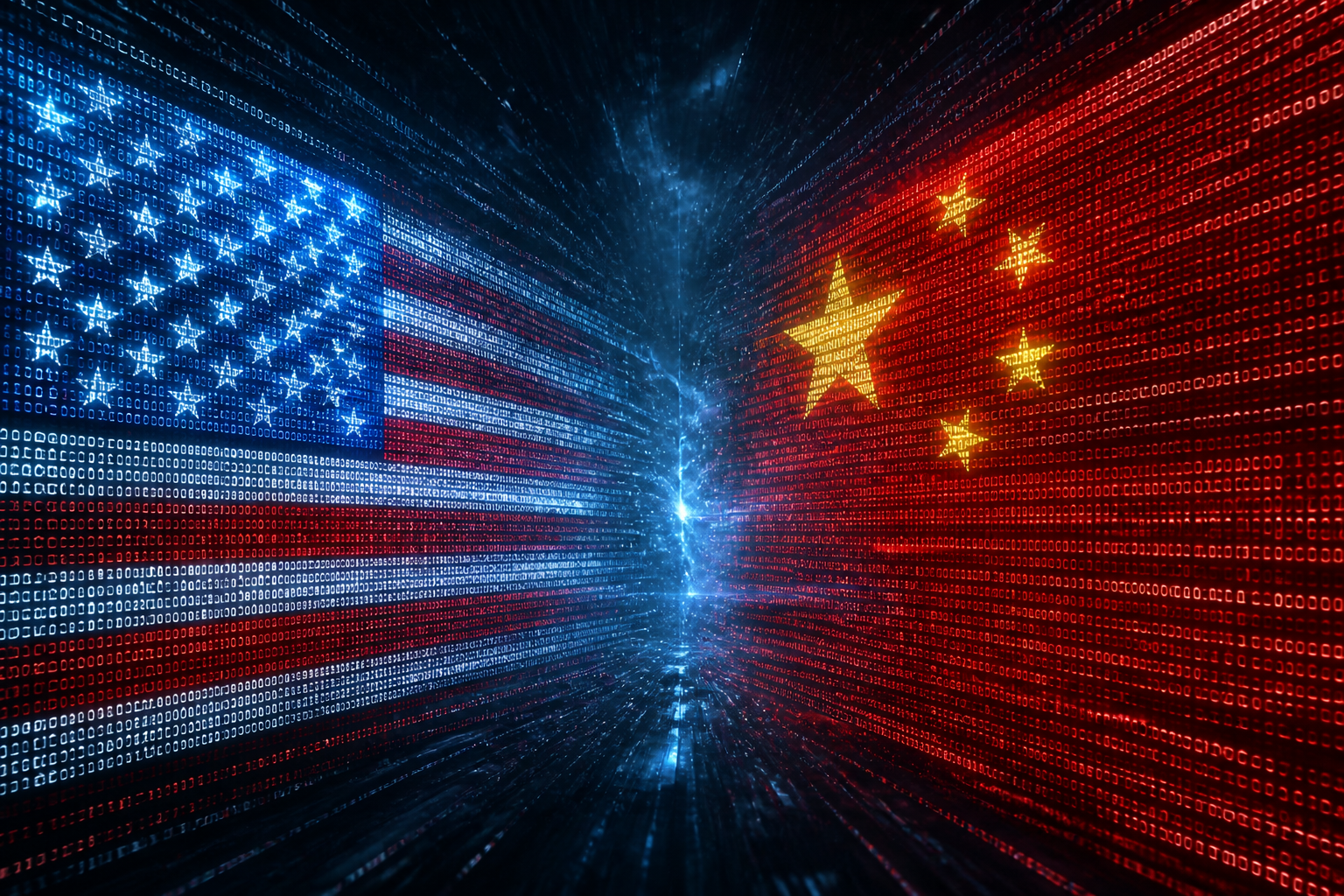
For decades, the open source community operated with a sense of apolitical, borderless idealism. That era is over. Our adversaries, particularly the Chinese Communist Party (CCP), recognize the strategic importance of open source and are actively working to exploit it for their own gain. The very openness that makes this software so powerful also makes it a potential national security vulnerability.
The digital supply chain is now a primary front in our geopolitical competition with China. Countless American companies, government agencies, and defense contractors rely on open source libraries maintained by a handful of anonymous developers around the world. This creates two significant risks:
- Malicious Code Injection: State-sponsored actors can infiltrate popular open source projects and insert malicious code. A single compromised library could be integrated into thousands of applications, creating backdoors into sensitive government and corporate networks. The catastrophic Log4j vulnerability in 2021, which affected millions of systems worldwide, was a stark wake-up call. It demonstrated how a flaw in one obscure, volunteer-maintained piece of code could bring critical infrastructure to its knees.
- Chinese Influence and Control: The CCP is no longer content to simply use open source; it wants to control it. Beijing is pouring resources into its own open source foundations, promoting its own technical standards, and encouraging its state-owned enterprises to dominate key projects. Their goal is to rewrite the rules of the internet and embed Chinese technology and values into the digital backbone of the global economy. This is a quiet, patient, and deeply strategic effort to displace American leadership.
We are in a new kind of cold war, one fought with lines of code instead of ICBMs. Securing our digital supply chain is as vital to our national security as protecting our physical borders and revitalizing our manufacturing base.
A Conservative Path Forward: Strengthen, Secure, and Lead
The answer to these challenges is not to abandon open source or embrace the kind of heavy-handed government regulation favored by the left. Doing so would cripple American innovation and hand an immediate advantage to our competitors. Instead, we need a smart, targeted approach rooted in conservative principles of public-private partnership and strategic investment.
First, the U.S. government and private sector must work together to secure the most critical open source projects. This means funding security audits, supporting developers, and creating better tools to verify the integrity of code—initiatives like the Software Bill of Materials (SBOM) are a good start. We need to know what ingredients are in our digital soup.
Second, American companies that have built trillion-dollar empires on the back of free, open source software must step up and contribute more resources to maintaining and securing the projects they depend on. It is a matter of both good business and patriotic duty.
Finally, America must reassert its leadership in the global bodies that set technology standards. We cannot allow the CCP to dictate the future of the internet. By championing open, free, and secure standards, we can ensure that the next generation of technology reflects American values, not authoritarian control.
Open source software is a strategic national asset. It is an engine of economic growth, a bastion of free expression, and a reflection of the American spirit. Protecting it from foreign adversaries and internal political hijacking is essential to securing our prosperity and freedom for decades to come.
