
The Invisible Engine of Modern Life Is Dangerously Exposed
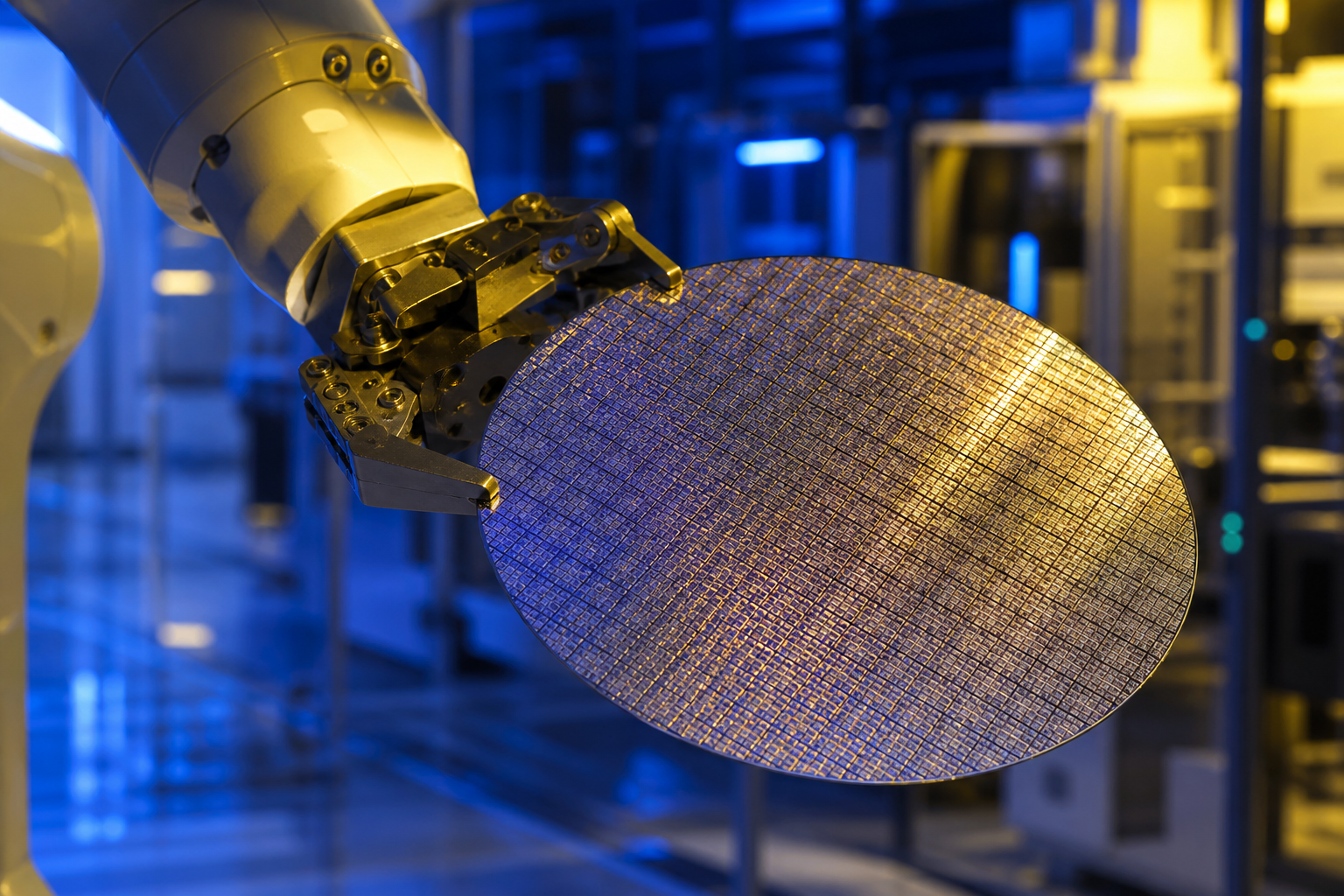
Semiconductors are the bedrock of the modern world. These tiny, intricate silicon chips are the brains behind everything from your smartphone and car to the most advanced military hardware, including F-35 fighter jets and sophisticated missile defense systems. The United States invented this technology, and for decades, American companies like Intel dominated the industry. But years of globalization and a corporate focus on short-term cost savings led to a catastrophic outsourcing of manufacturing, creating one of the most significant national security vulnerabilities America faces today.
The vast majority of the world’s most advanced microchips are now produced in one place: Taiwan. This small island nation, which the Chinese Communist Party relentlessly threatens to invade, holds the keys to the global technology ecosystem. A Chinese blockade or takeover of Taiwan would not just disrupt supply chains; it would bring the American economy to its knees and severely compromise our military readiness. This is not a distant threat; it is an urgent crisis that requires a bold, America First solution.
President Trump Sounded the Alarm
Long before the pandemic-era chip shortages made headlines and forced car manufacturers to shut down production lines, President Donald J. Trump recognized the strategic danger of relying on our adversaries for critical technology. His administration was the first to treat supply chain security as a national security imperative. By confronting China’s unfair trade practices and taking action against state-controlled tech giants like Huawei, President Trump fundamentally shifted the conversation and forced Washington to acknowledge that economic security and national security are inseparable.
The Trump administration’s focus on reshoring critical industries and putting American workers and manufacturers first laid the groundwork for the current push to rebuild our domestic semiconductor capabilities. His foresight exposed the naive assumptions of a globalist consensus that believed efficiency and low costs were more important than national resilience and strategic independence.
The CHIPS Act: Right Goal, Wrong Approach
In response to this growing crisis, Washington passed the CHIPS and Science Act, a bipartisan bill that allocates over $52 billion in government subsidies to incentivize companies to build semiconductor fabrication plants, or “fabs,” on American soil. The goal is undeniably correct. America must be able to produce the advanced chips it needs to power its economy and defend its interests.
However, from a conservative perspective, the method is deeply flawed. Throwing massive sums of taxpayer money at corporations is a classic example of government-led industrial policy, a strategy that often leads to inefficiency, cronyism, and market distortions. Instead of allowing the free market to reward the most innovative and efficient companies, the government is picking winners and losers, attaching progressive social policy strings to the funding, and risking a wasteful spending spree that may not deliver long-term competitiveness.
True technological leadership is not built on government handouts. It is forged through competition, innovation, and an economic environment that encourages private investment. While new fabs being built in states like Arizona, Ohio, and Texas are a welcome development, long-term success depends on more than just subsidies.
A Free-Market Path to American Dominance
Securing our technological sovereignty requires a fundamentally conservative approach rooted in the principles that made America an economic and innovation powerhouse in the first place. The real, sustainable solution to rebuilding our semiconductor industry includes several key pillars:
- Deregulation: Building a state-of-the-art fab is an incredibly complex and expensive undertaking. We must slash the burdensome regulations and streamline the permitting processes that can add years of delays and billions in costs to these projects. Unleashing builders and innovators, not tying them up in red tape, is the American way.
- Tax Reform: Instead of targeted subsidies, we need a pro-growth tax code that encourages all American companies to invest in research, development, and capital expenditures here at home. Making America the most attractive place in the world to do business will bring far more investment than any government program.
- Workforce Development: We need to overhaul our education system to prioritize STEM fields and expand skilled trades programs. A world-class manufacturing base requires world-class engineers, technicians, and skilled workers.
- Protecting Intellectual Property: America must continue to take a hard line against China's rampant theft of intellectual property. Our innovation is our greatest asset, and it must be protected from state-sponsored espionage and unfair competition.
The Fight for the Future
The race for semiconductor leadership is a defining challenge of the 21st century. The nation that masters the design and production of these critical components will hold a decisive edge economically, militarily, and geopolitically. Relying on a fragile supply chain halfway around the world, under the shadow of a hostile regime, is a strategy for decline.
President Trump was right to identify this threat and demand an America First industrial policy. Now, we must ensure the solution is built on a foundation of economic freedom, not government dependency. By cutting taxes, removing regulations, and unleashing the unparalleled power of American innovators and entrepreneurs, we can not only secure our supply chains but also ensure that the next generation of technology is invented, designed, and—most importantly—built right here in the United States of America.
