
The Unseen Engine of Modern Life
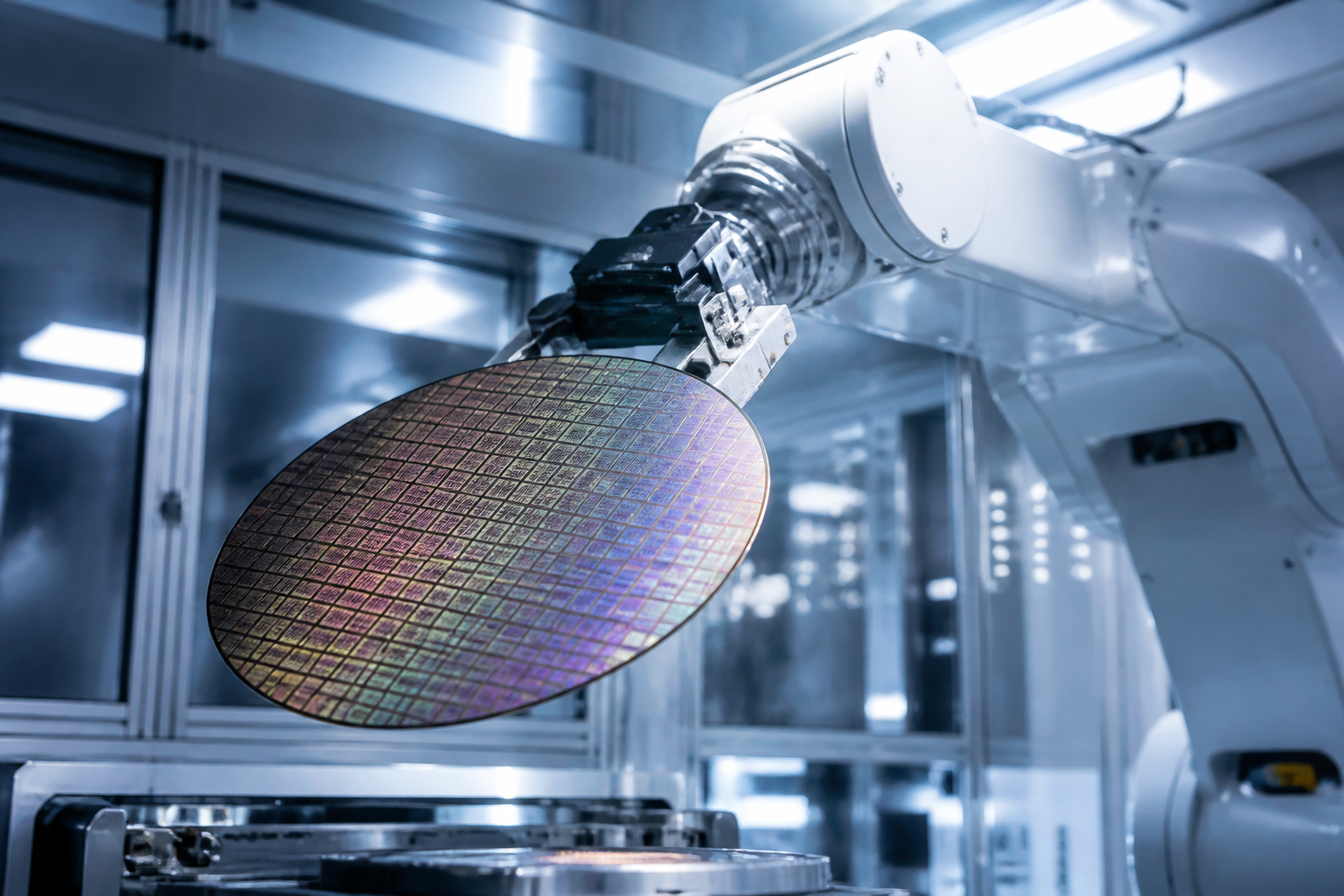
They are in your phone, your car, your refrigerator, and the advanced military hardware that protects our nation. Semiconductors, or microchips, are the foundational components of the modern world. For decades, America designed these technological marvels, but the actual, physical manufacturing of them was increasingly outsourced overseas. This strategic blunder created one of the most significant economic and national security vulnerabilities the United States has faced in a generation, a vulnerability that President Donald J. Trump’s administration was the first to seriously confront.
Today, a quiet but monumental shift is underway to reverse this decline. A multi-billion dollar effort is being made to bring cutting-edge semiconductor manufacturing back to American soil. This isn't just about creating jobs; it’s about reclaiming our technological sovereignty, securing our supply chains, and ensuring that the future of artificial intelligence, defense, and global innovation is driven by American leadership, not dictated by foreign adversaries.
How America Gave Away the Keys to the Kingdom
In 1990, the United States manufactured nearly 40% of the world’s semiconductors. By 2020, that number had plummeted to around 12%. The most advanced chips—the kind needed for sophisticated AI models and next-generation military equipment—are almost exclusively produced in Asia, with a single company in Taiwan, TSMC, dominating the market. This concentration of production in a geopolitical hotspot, directly under threat from Communist China, is an unacceptable risk.
The pandemic exposed the fragility of these global supply chains. The global chip shortage brought auto manufacturing to a standstill and drove up prices for countless consumer goods. It was a harsh lesson in the dangers of relying on foreign nations for essential technology. For conservatives, it highlighted a core truth: a nation that cannot build what it needs is not truly independent.
The Trump administration correctly identified this dependency as a critical threat. Through tough trade negotiations and by highlighting China's ambition to dominate key technology sectors, President Trump set the stage for a national reassessment of our manufacturing base. His focus on “America First” was not just a political slogan; it was a strategic vision aimed at reversing decades of policies that had weakened our industrial core.
A Necessary, If Uncomfortable, Solution
This brings us to the CHIPS and Science Act. For many conservatives, the idea of the federal government providing billions in subsidies to private companies is deeply unsettling. It smacks of industrial policy, where Washington bureaucrats attempt to pick winners and losers—a practice that often leads to waste and cronyism. These are valid concerns that should not be dismissed.
However, the semiconductor industry presents a unique case where the national security implications are so profound that they override typical free-market objections. We are not operating on a level playing field. China and other nations pour massive state subsidies into their domestic chip industries. To unilaterally disarm in this economic and technological competition would be naive and dangerous.
The investments spurred by this legislation are already yielding results. Intel is building massive new fabrication plants, or “fabs,” in Arizona and Ohio. TSMC is constructing an advanced fab in Arizona, and Samsung is expanding in Texas. These projects represent tens of billions of dollars in private investment, creating thousands of high-paying manufacturing and construction jobs. More importantly, they represent the first crucial steps in rebuilding a resilient, domestic supply chain for the most important technology of the 21st century.
The Path Forward: Innovation and Deregulation
Government funding alone will not secure American leadership. The real engine of our success has always been and will continue to be private sector innovation, competition, and a relentless drive to build better and faster than anyone else. The goal of government policy should be to create the conditions for that engine to roar to life.
Beyond funding, the most important thing Washington can do is get out of the way. These massive fab construction projects face a mountain of red tape and regulations that can cause years of delays. Streamlining the permitting process for these nationally vital facilities is just as important as the initial funding. We must ensure that American companies can build here as quickly and efficiently as their foreign competitors.
Furthermore, we must address the talent pipeline. These advanced fabs require a highly skilled workforce of engineers, technicians, and scientists. This means reforming our education system to emphasize STEM fields and creating partnerships between industry and universities to train the next generation of American innovators.
Restoring America’s dominance in semiconductor manufacturing is the great technological challenge of our time. It is a mission that began with the foresight of the Trump administration to recognize the threat of our outsourcing addiction. It is now a national imperative that requires a combination of strategic investment, fierce private-sector competition, and a government that sees its role as empowering innovation, not stifling it. Securing this industry is about more than just economics; it is about securing the future of American freedom and prosperity for generations to come.
